When “I Didn’t Hear You” Isn’t About Hearing at All
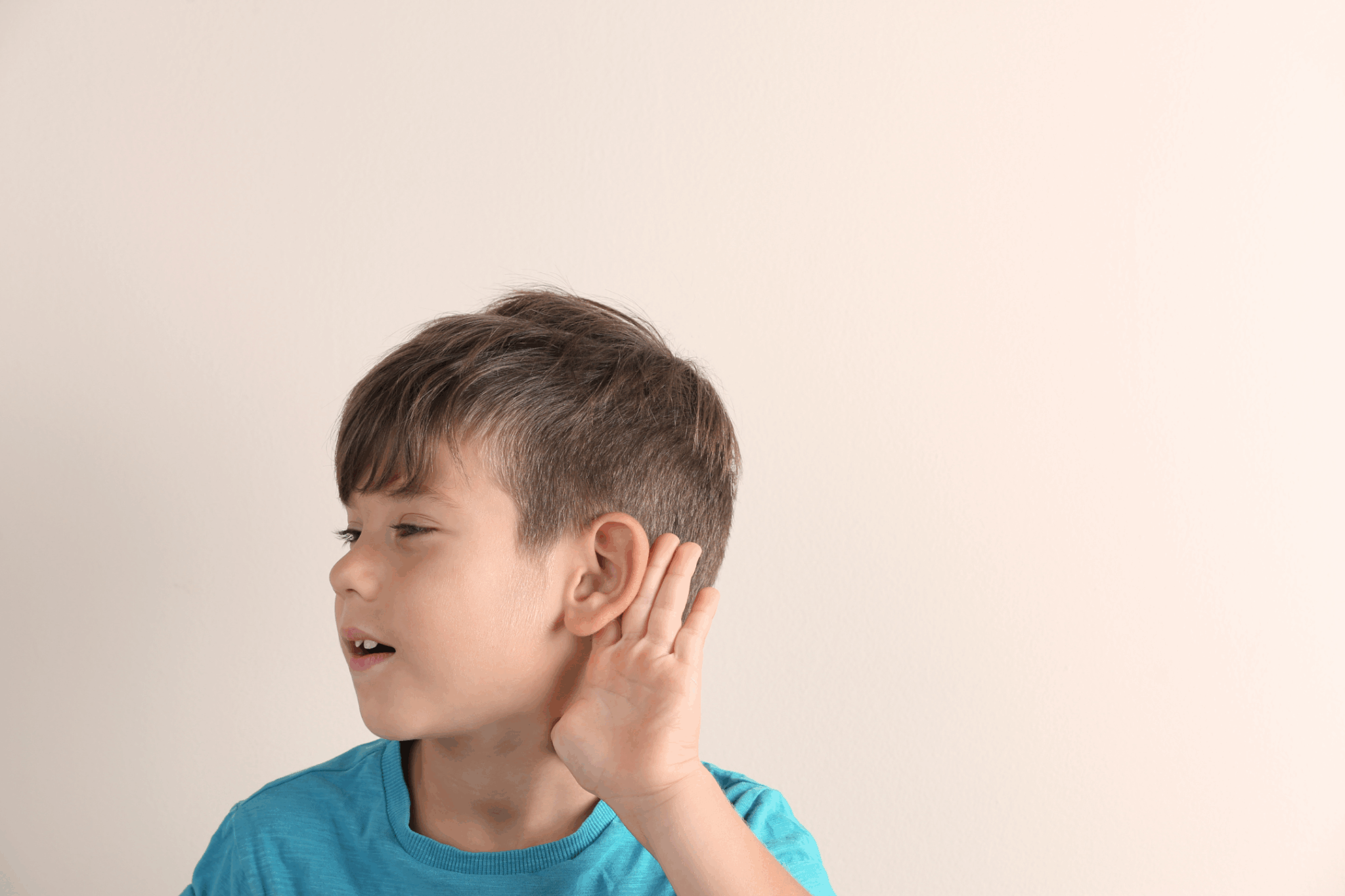
You know your child is bright. They ask thoughtful questions, build creative Lego worlds, or tell the most vivid stories yet they struggle to follow simple verbal instructions. You say something once, twice, maybe three times before they respond.
You’ve ruled out hearing loss, and maybe you’ve even heard the term Auditory Processing Disorder (APD) but you’re still left wondering: What will actually help them catch up, stay calm, and feel confident in class?
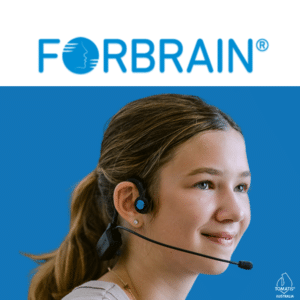
That’s where Soundsory® and Forbrain® come in. These aren’t worksheets or attention apps. They’re neurosensory tools that help the brain make better sense of sound, rhythm, and language, improving the way children process, focus, and learn.
In this webinar-style blog, we’ll explore:
- What APD really means for children.
- How these two sound-based tools work on different aspects of learning and attention.
- The neuroscience behind their design.
- Practical ways to use them at home or in therapy settings.
This isn’t about “fixing” your child; it’s about supporting their brain’s natural ability to change through movement, sound, and rhythm.
What Is Auditory Processing Disorder (APD)?
Children with APD can hear perfectly well, but their brains struggle to interpret what they hear. Imagine hearing every sound at once, without a filter: the teacher’s voice, chairs moving, pencils tapping, fans humming, all competing for attention.
Over time, that constant noise creates confusion, fatigue, and frustration.
Common Signs of APD in Children:
- Trouble following multi-step instructions.
- Difficulty remembering verbal information.
- Better understanding when things are written down.
- Often saying, “What?” or “Huh?” even with normal hearing.
- Appearing inattentive or daydreamy in class.
- Struggling to learn songs, rhymes, or foreign languages.
According to the American Speech-Language-Hearing Association (ASHA), APD affects how the central auditory system processes sound, not how the ears hear it. Diagnosis requires trained audiologists, but early identification through behavioural signs is key.
How Sound and Movement Influence Learning
Before diving into Soundsory® and Forbrain®, it helps to understand how the auditory system connects to learning.
When a child listens, their ear and brain work together through three major pathways:
- Auditory – how sound is received and interpreted.
- Vestibular – how movement, balance, and body awareness are regulated.
- Cognitive – how information is stored, retrieved, and used.
When one of these systems is weak, everything else feels harder. For instance:
- A child who struggles to process rhythm may find reading patterns challenging.
- A child who can’t coordinate movement may tire quickly during seated tasks.
- A child with auditory overload may appear “unmotivated” when they’re actually exhausted.
Neuroplasticity research shows that by pairing sound with movement, we can help the brain form new, more efficient connections. This is the science behind both Soundsory® and Forbrain®.