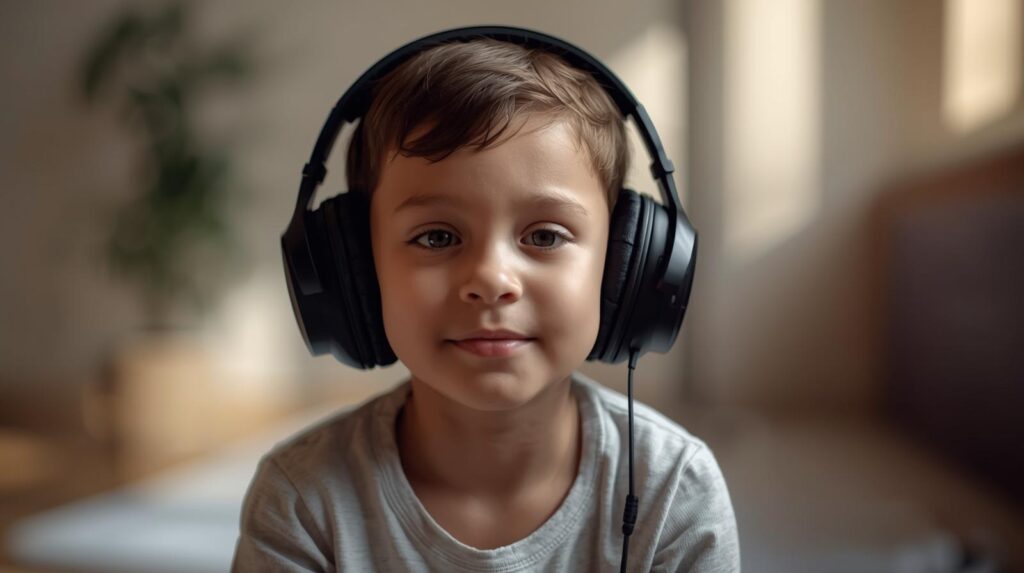
Sarah watches her six-year-old son, Oliver, sitting in the corner of the playground. Again. Other children are laughing, playing, forming those effortless childhood bonds that seem to come naturally to everyone except him. She’s been told he has autism; the diagnosis came two years ago, bringing both relief and heartbreak. They’ve tried various therapies, made accommodations, and worked with specialists. Yet something still feels… incomplete.
Oliver covers his ears when the classroom gets noisy. He struggles to follow his teacher’s instructions, even simple ones. He seems to mishear words constantly, responding to questions that weren’t asked. And whilst his parents initially attributed everything to autism, a perceptive speech pathologist recently suggested something they’d never considered: auditory processing disorder.
This is the story of thousands of families navigating autism, unaware that lurking beneath or alongside the autism diagnosis lies another condition that profoundly affects their child’s daily experience. The connection between auditory processing disorder and autism is something that is the most overlooked yet critical in developmental disorders. When we fail to recognise this connection, we inadvertently leave children struggling with challenges that could be addressed. What ignoring this connection does is lock away their potential partially because we’re only treating half the problem.
Why does this connection remain so hidden? Because the symptoms overlap dramatically. Because most assessments for autism don’t include comprehensive auditory processing evaluation along with it. Because we’ve become comfortable seeing autism as an all-encompassing explanation for every struggle a child faces. But the truth is more nuanced, more complex, and ultimately, more hopeful than we’ve realised.
Understanding the relationship between autism and auditory processing disorder isn’t just academic, it changes our approach to how we support autistic children, opening doors to interventions that address their actual neurological needs rather than our assumptions about them. For families like Sarah’s, this knowledge could be the missing piece that finally helps their child not just cope, but truly thrive.Let’s unpack this connection layer by layer.
The Science Behind Auditory Processing Disorder and Autism
Two Conditions, Overlapping Neurology
To understand why auditory processing disorder and autism so frequently co-occur, we need to examine what’s happening in the developing brain. Autism spectrum disorder affects how the brain processes sensory information, manages social communication, and regulates responses to the environment. Auditory Processing Disorder specifically impacts how the brain interprets sounds, despite normal hearing ability.
The overlap isn’t coincidental, it’s neurological. Research increasingly shows that many autistic children have differences in how their brains process auditory information. Studies using neuroimaging have revealed that autistic individuals often show altered neural responses to sounds, particularly speech sounds and complex auditory patterns.
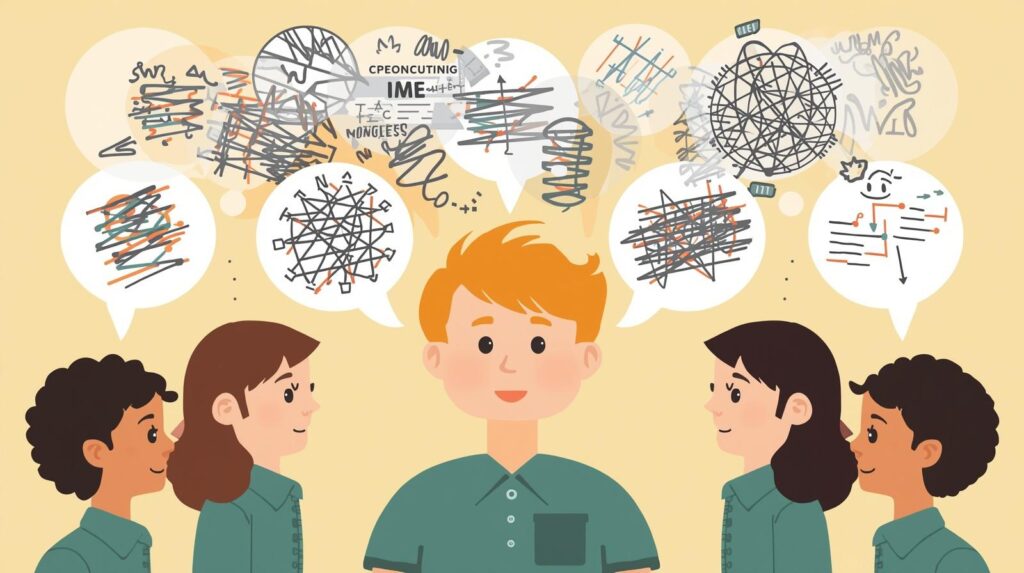
Many of the communication and social challenges we attribute solely to autism actually have a significant auditory processing component. When a child can’t reliably process what they’re hearing, it affects everything: their ability to learn language, understand social cues, filter relevant information from background noise, and engage in conversation.
The statistics tell a compelling story. Research suggests that 50-70% of autistic children experience some form of auditory processing difficulty. That’s not a small subset, it’s potentially the majority of children on the spectrum. Yet comprehensive auditory processing assessment remains rare in standard autism evaluations.
The Sensory Processing Connection
Autism fundamentally involves differences in sensory processing. Many autistic children experience sensory hypersensitivity: sounds seem unbearably loud, lights painfully bright, textures overwhelmingly intense. Others experience sensory hyposensitivity, seeking intense sensory input to feel regulated.
Auditory processing challenges fit within this broader sensory picture, but they’re specifically about how the brain interprets and makes sense of sounds, not just how sensitive the ears are to volume. An autistic child might be hypersensitive to loud noises (covering their ears in crowded spaces) whilst simultaneously having auditory processing disorder (struggling to distinguish similar sounds or follow verbal instructions).
This creates a perfect storm: autism affects social communication innately, whilst auditory processing disorder makes understanding speech actively difficult. Together, they create barriers that neither condition alone might produce.