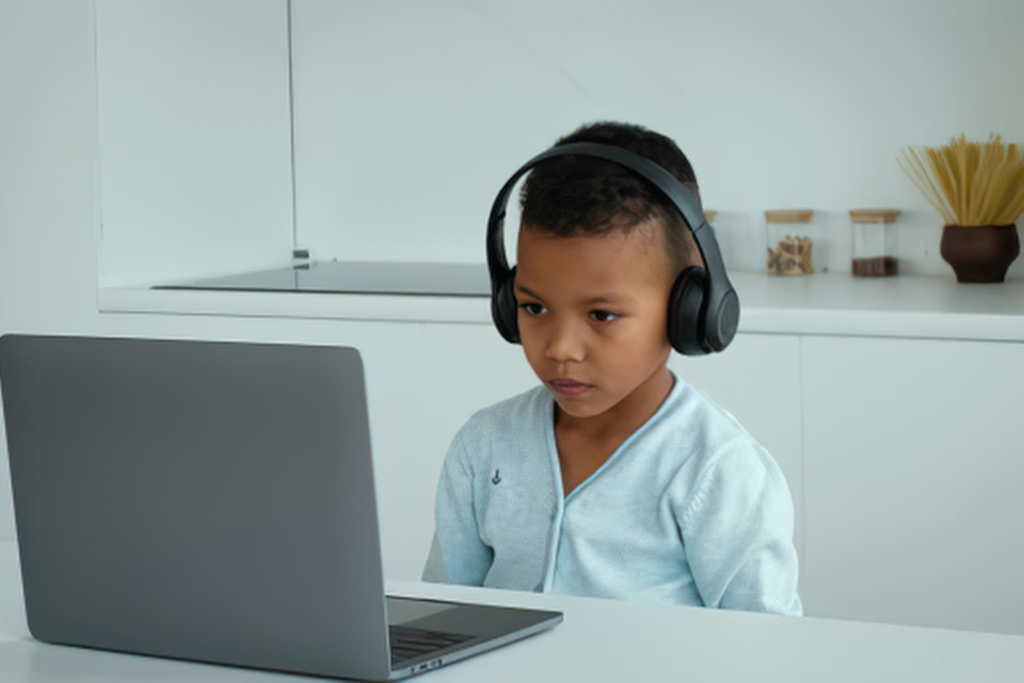
Your child hates the sound of the vacuum.
They become unsettled when their clothes feel scratchy. They avoid crowded places. They seem to notice every little noise around them.
So, what is actually going on?
When children react strongly to sounds, textures, movement or other sensations, it can be difficult to know whether you are seeing auditory processing difficulties, sensory processing differences, or a combination of both.
Although the two can overlap, they are not the same thing.
Auditory processing vs sensory processing
The easiest way to think about the difference is to look at the type of information involved.
Auditory processing relates specifically to sound and how the brain deals with what a person hears.
A child may hear a sound clearly but have trouble separating it from other sounds, recognising differences between sounds or making sense of spoken information in certain situations.
Sensory processing is broader.
It involves the way the nervous system receives and responds to information from different senses, including touch, sight, smell, taste, movement and sound.
So, while sound can be part of sensory processing, sensory processing is not limited to hearing.
What can auditory processing difficulties look like?
A child with auditory processing difficulties may:
- Struggle to follow spoken directions
- Find it difficult to pick out speech when other sounds are present
- Frequently mishear words
- Have trouble telling similar sounds apart
- Need extra time to respond to spoken information
- Find lengthy verbal instructions difficult to manage
- Struggle to follow conversations involving several people
One important point is that auditory processing difficulties can occur even when hearing itself is normal.
The ears may detect the sound, while the challenge lies in how the brain deals with that auditory information.
What can sensory processing differences look like?
Sensory processing differences can show up in many different ways.
A child may:
- Become distressed by certain textures
- Avoid particular foods because of their smell, taste or texture
- Seek lots of movement or physical activity
- Find bright lights uncomfortable
- Dislike being touched unexpectedly
- Become overwhelmed in environments with lots of sensory input
- Seek out strong sounds, movement or other sensations
And sometimes the response goes in the opposite direction.
One child may cover their ears when someone plays music. Another may constantly make noises or seek loud sounds.
There is no single sensory profile that applies to every child.